90 days free · no card charged

Everything Biblori does, in one page.

The registers, the certificates, the duties canon law creates between parishes, the preparation that feeds the books, the public website, and what the chancery sees. Put your parish's name in and it all becomes about you.

01The register

The book everything else answers to
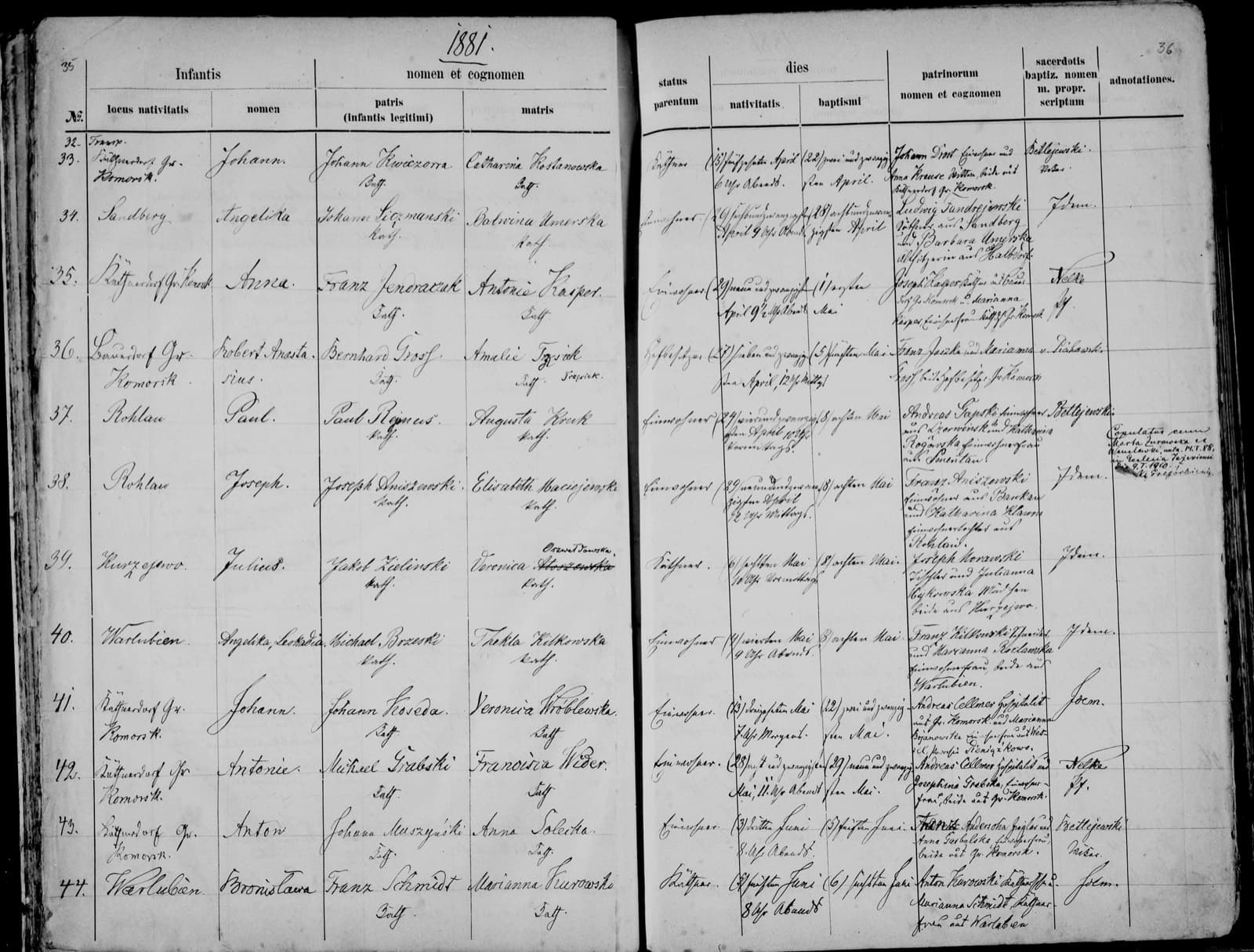
A parish's registers are the one thing it cannot replace. Biblori keeps all six, reads the old books so a backlog doesn't have to be typed twice, and issues certificates drawn from the entry itself.

  • All six registers

    Baptism, first communion, confirmation, marriage, funeral, and reception into full communion — each its own book, as the canons expect.

  • Certificates from the entry itself

    Print-ready and drawn from the record, reproducing its marginal notations. Not a mail-merge of a Word template.

  • Every issue is itself recorded

    Who asked, their relationship to the person named, how you established identity, and who issued it — entered at the desk and kept with the record.

  • The register scanner

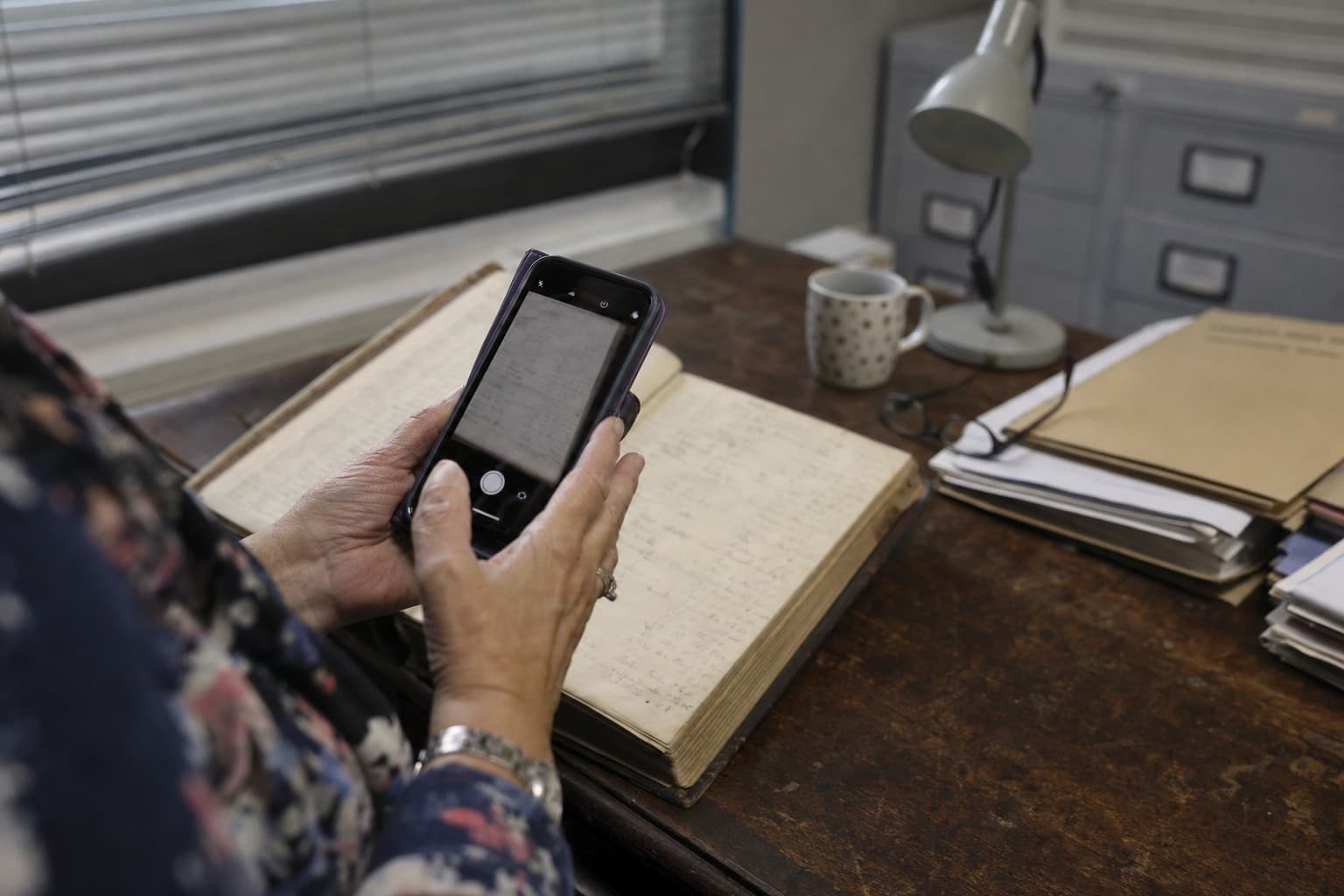
    Photograph a page of the old book and the fields come back filled in, flagged wherever the handwriting was uncertain, ready for you to check before anything is saved.

  • Scan with the phone in your pocket

    The register never has to leave the safe. Scan a QR code off the screen, photograph the page with your phone, and the images land on the desktop where you're already working.

  • Search that forgives

    By name, by year, or by a godparent you half-remember — accents, misspellings, and reversed surnames included.

  • A person, not a pile of records

    People are built from the entries themselves, so a secretary finds someone once and sees their whole sacramental life on one page instead of searching six registers in turn.

  • A sacramental calendar

    Every entry by date — what was celebrated this month, and what was celebrated this month twenty years ago.

  • Corrections by notation, never erasure

    A mistake is answered by adding to the record, not editing it away. Notations are append-only in the database, and amending an entry writes its trail in the same transaction — if the trail can't be written, the edit doesn't happen.

    Canon 535 §2
02What it owes

It also tells you what you owe

Canon law makes the baptismal entry the master record of a Catholic's sacramental life. That creates obligations between parishes which, until now, were only discharged when somebody happened to remember.

  • The register tells you who you owe

    A marriage or confirmation celebrated here has to be reported to the parish holding that person's baptism. Biblori derives that list from the entries themselves — every record naming a baptismal parish elsewhere with no notice covering it — so the duty is visible instead of remembered.

    Canon 535 §2
  • Find who holds the baptism

    Look up which parish holds a person's baptismal record across every parish on Biblori, instead of ringing round the deanery.

  • Your book never leaves your parish

    A parish needing a reference receives an attestation drawn from your entry — never a copy of your register. Neither parish reads the other's book.

  • Notations travel with the certificate

    Confirmation, marriage, and the rest print on every baptismal certificate. Where there is nothing to note, it says so, rather than leaving a marriage-prep office guessing.

    Canon 535 §2
03What feeds it

Nothing gets typed twice

Sacraments are prepared somewhere before they are celebrated. Biblori runs that preparation and inscribes the result, so the register fills itself from work the parish was doing anyway.

  • Marriage preparation, end to end

    Prenuptial inquiry, witness affidavits, and the document chase run to completion, and then the marriage lands in the register as a record rather than a retyped form. Already powering Agape Wedding.

  • One inbox for the office

    Couple inquiries, parishioner record requests, and diocesan asks arrive in one place, with reminders when something has been sitting too long.

  • People who find you first

    Someone using a Catholic learning app can raise their hand for formation at your parish, and the request arrives in that same inbox.

  • Catechesis

    In development

    Parish-run sacramental prep — OCIA, first communion, confirmation, baptism prep — feeding the register the way marriage already does, from the roster straight to the entry.

04Public face

The website your parish has been meaning to fix since 2011.

Pick a design and the Mass times, sacraments, staff, and bulletins you keep in Biblori become a real public site — on your own domain, in three languages, with a calendar visitors can subscribe to.

Heritage

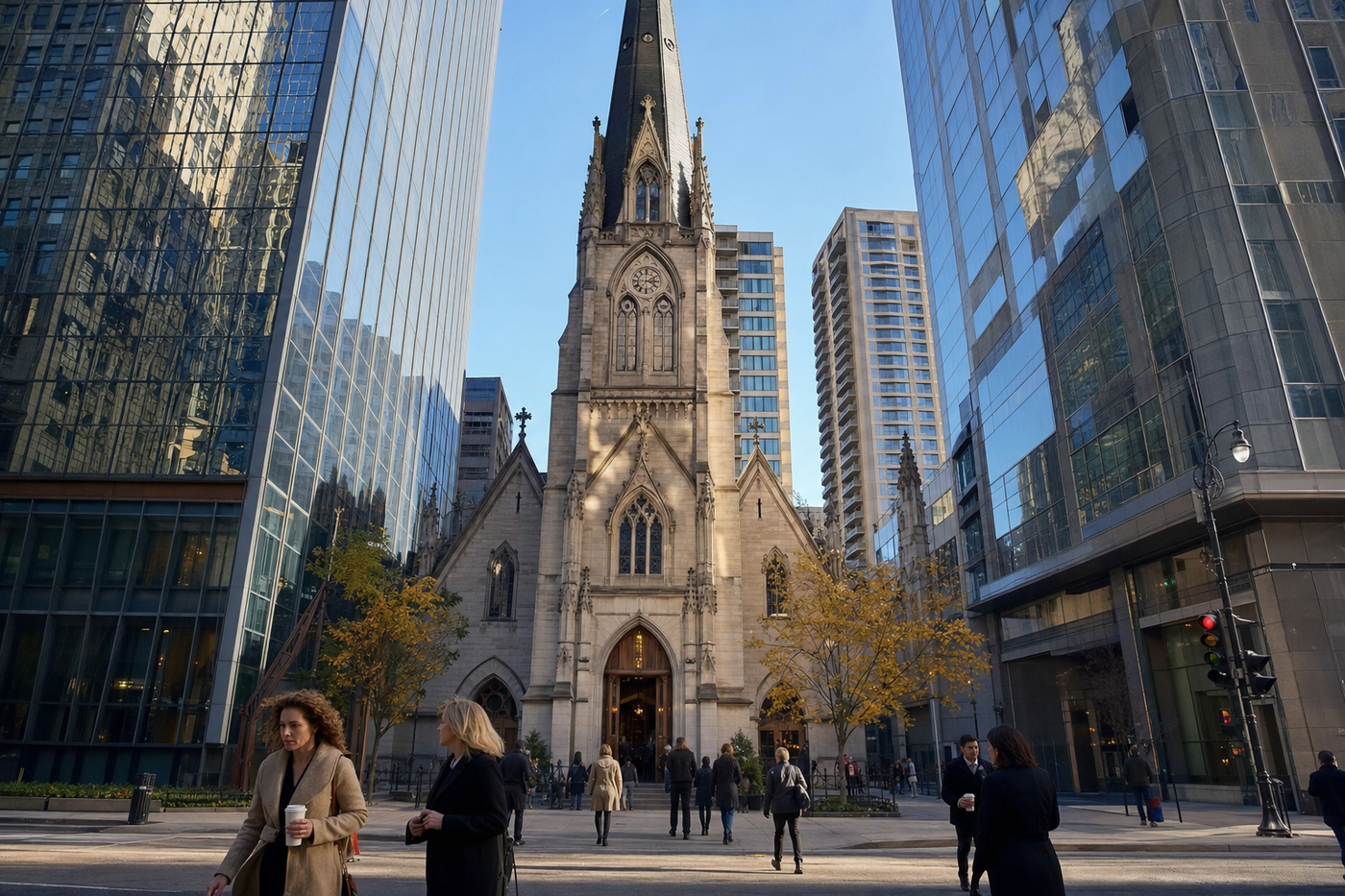
Shown with St. Brigid Catholic Church — Fairview, OH

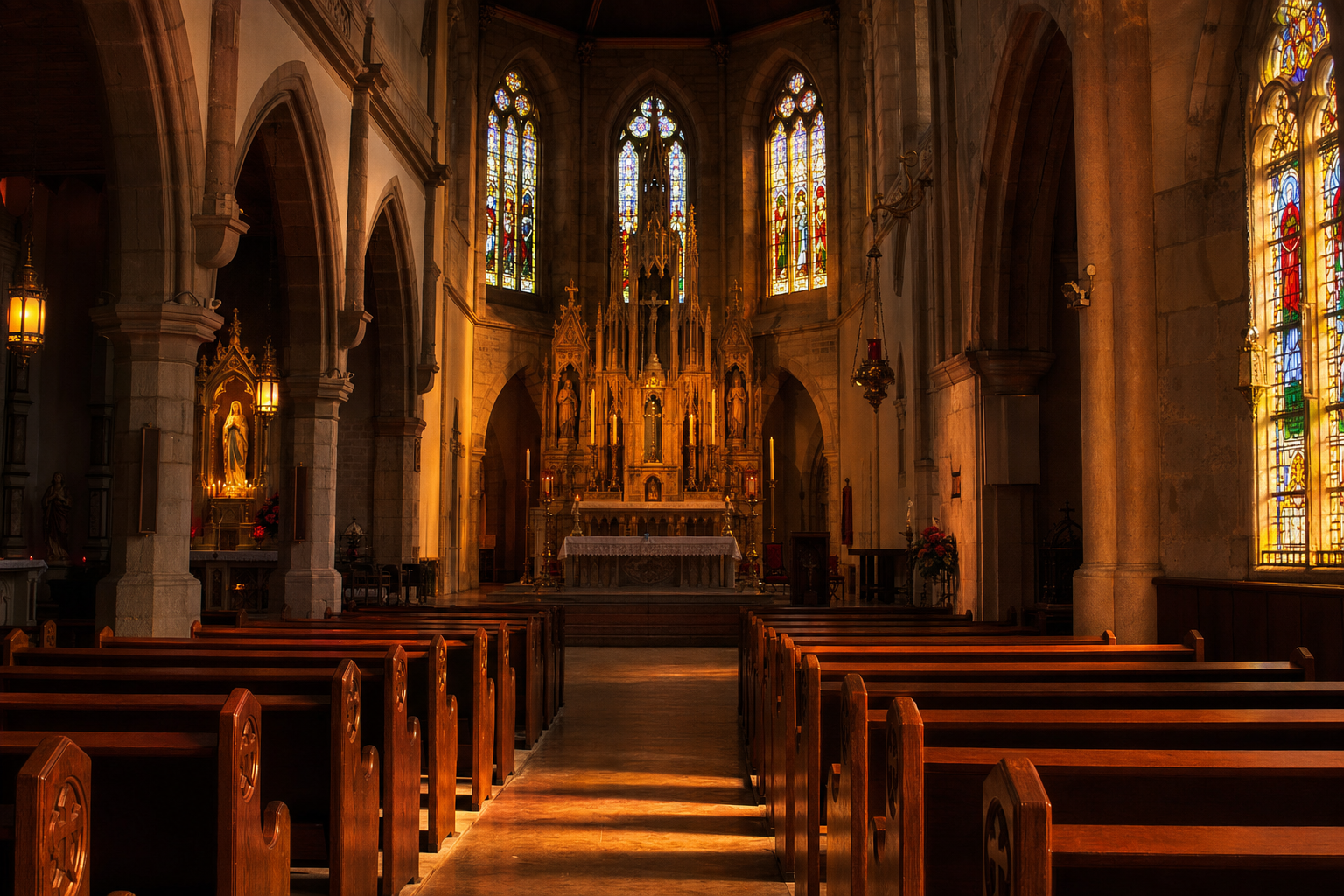
Traditional and ecclesial — serif headings, warm tones, ornamental details. Feels like a parish that has stood for a century.

Lumen

Shown with Holy Trinity Catholic Church — Riverbend, CO

Modern and luminous — clean sans-serif type, generous whitespace, crisp cards. A contemporary face for an active parish.

Vitrail

Shown with St. Cecilia Catholic Church — Northgate, IL

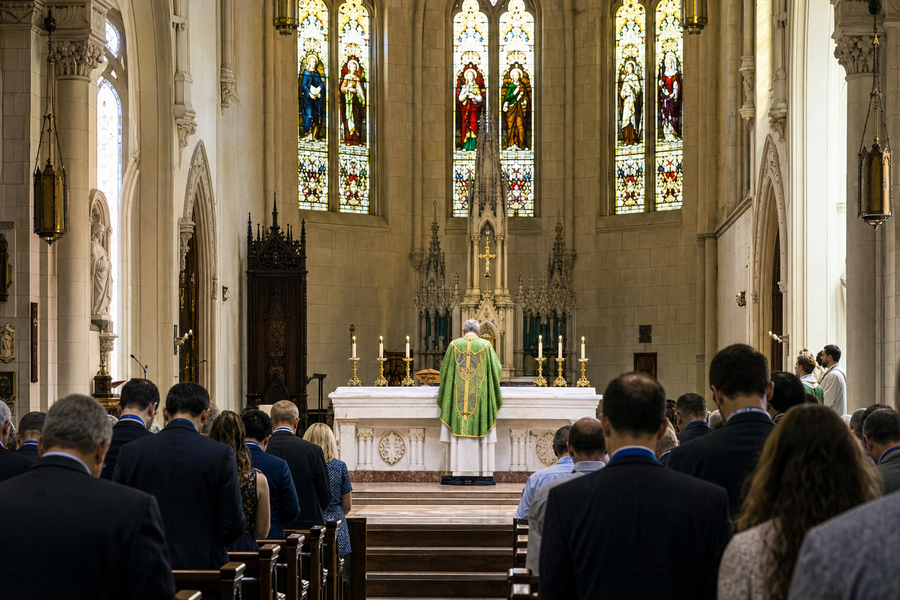
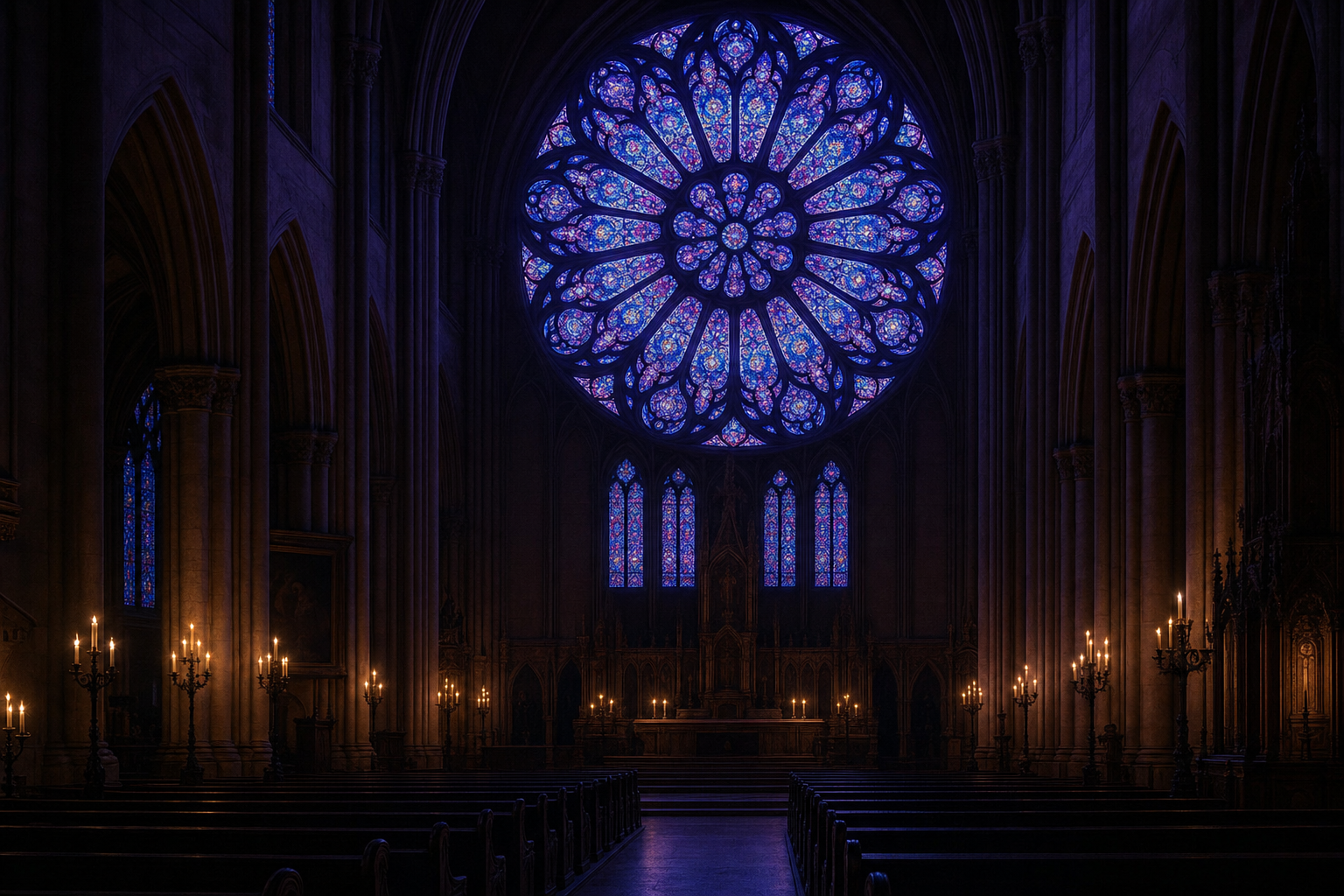
Light through stained glass — jewel tones on deep indigo, frosted panes, luminous serif type. Dramatic and prayerful after dark.

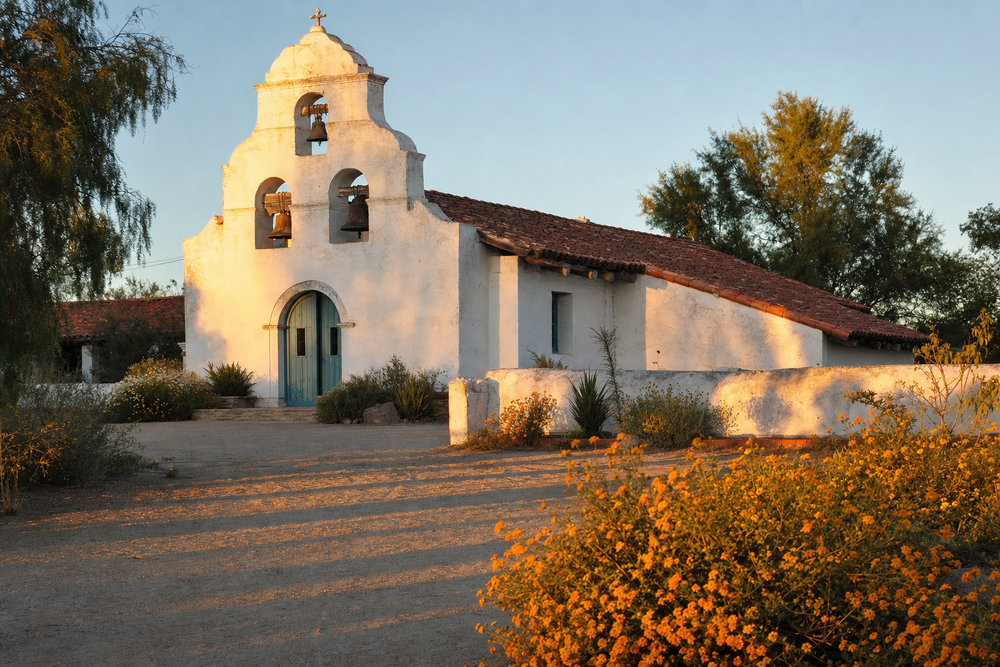
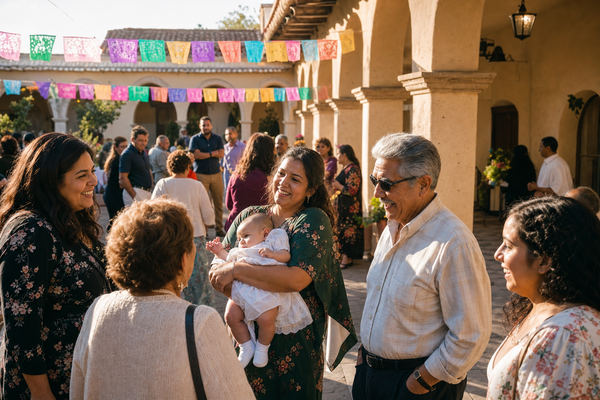
Casa

Shown with Misión San Miguel — Río Verde, NM

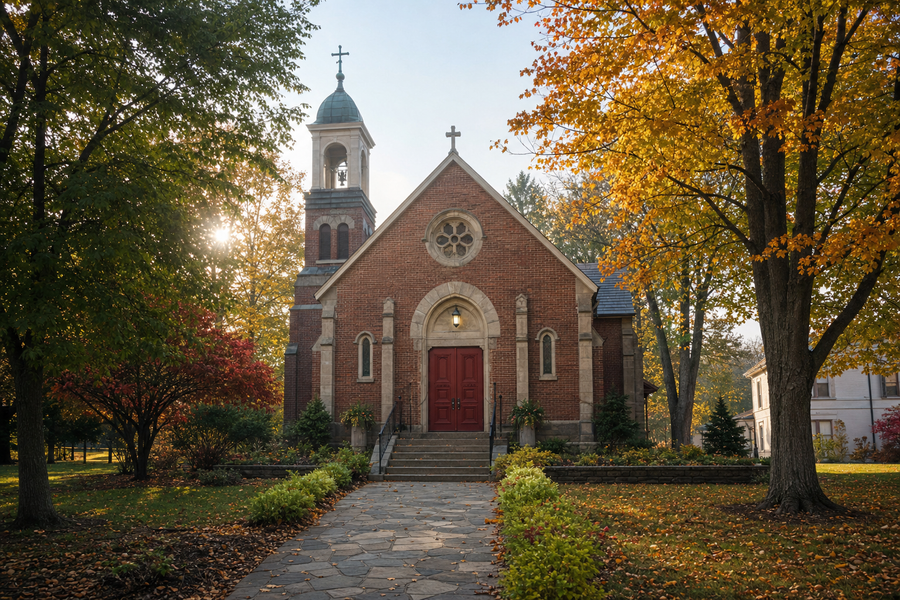
A mission courtyard in the afternoon sun — adobe warmth, hand-made edges, arches and tilework. Feels like coming home.

  • Filled from what you already keep

    Mass times, sacraments, staff, and history live in Biblori once and become the site. Change them in one place.

  • English, Spanish, and Portuguese

    Every page, on the same site, with whichever language your parish actually needs as its default.

  • Bulletins with an archive

    Upload the PDF. The current one sits on the front page and every previous one stays findable.

  • A calendar people can subscribe to

    Parish events publish to a feed a parishioner adds to their phone once, and it stays current on its own.

  • Your own domain

    Run it at your parish's own address, or on a Biblori subdomain until you're ready to move.

  • Nothing goes live by accident

    Edit a draft, see it exactly as visitors will, publish when you're ready — and every published version is kept, so you can go back.

  • Messages from visitors

    The contact form arrives in the parish office, not in a mailbox nobody has the password to.

  • Found and shared properly

    Each site gets its own sitemap, search-engine directives, and a link-preview card carrying the parish's name.

05The chancery

One license, every parish in the diocese

Diocesan licensing means your parishes don't pay per seat, the chancery sees consistent data across every pastor, and the tribunal can find a marriage case without a phone tree.

  • Roll-up across every parish

    Who has worked through their baptism backlog and who hasn't, without asking each parish in turn.

  • Claims route through the chancery

    A parish claiming its own registers is approved by the diocese, so the bishop's office always knows who is running which records system.

  • Tribunal-friendly

    A marriage case generated in any parish is reachable diocese-wide with the right role.

  • One license, no seat counts

    A diocesan license covers every parish you oversee — and a parish already paying its own way doesn't pay twice.

06Your team

Not everyone should be able to do everything.

Four levels, each describing a job rather than a permission set. The database enforces them, not the buttons — a volunteer who finds a URL they weren't given still can't use it.

  • Administrator

    Pastor or parish administrator

    Everything, including the team, billing, and removing register entries.

  • Records

    Parish secretary

    Write the registers, issue certificates, use the scanner, and start conversations with other parishes.

  • Staff

    Catechesis, website, marriage prep

    The website, catechesis, and couple chat. Can read the registers but not change them.

  • Read-only

    Look, don't touch

    Can see the registers and conversations. Cannot change anything.

  • Talk to another parish

    Reach a parish or the chancery directly about a record, a case, or a person — with a request-to-connect step first, so nobody's office becomes a mailing list.

  • Talk inside your own parish

    Staff conversations live beside the records they're about, instead of in a group text three people are missing from.

  • A trail behind every action

    Who did what, and when — kept for the moments a chancery or a tribunal asks.

07What it costs

The first 90 days are completely free.

Every feature on this page, no limits and no reduced version. Register your sacraments, publish the website, run a whole wedding season through it. Nothing is charged until the trial ends, and your records remain yours whatever you decide. If your diocese takes a license, the parish isn't billed at all.